Two Arizona sites have received Global Important Bird Area designations this month: the Chiricahua Mountains in the southeastern corner of the state and Anderson Mesa, nine miles southeast of Flagstaff in the Coconino National Forest.
The designation was given by BirdLife International, an alliance of conservation organizations working in more than 100 countries and territories that, together, are the leading authority on the status of birds and their habitats. Sites qualify for global designation because they hold significant numbers of a globally threatened species or other species of global conservation concern.
The Important Bird Areas (IBA) Program is a global effort to identify and conserve areas that are vital to birds and other biodiversity. The Arizona Game and Fish Department, Tucson Audubon Society, and Audubon Arizona are the IBA partners in Arizona. To date, 37 sites have been identified as state Important Bird Areas. Designation confers no legal requirements; the global recognition is intended to motivate and encourage voluntary conservation actions to assure long term protection of these sites.
An area rich with wetlands, Anderson Mesa was previously nominated as a state Important Bird Area (IBA) for waterfowl and water birds. The area qualified as a global IBA because of its extensive pinyon pine woodlands that support populations of pinyon jay (Gymnorhinus cyanocephalus), a species of global conservation concern and an Audubon Society WatchList species. http://stateofthebirds.audubon.org/
Although a familiar sight in pine forests of the American west, the gregarious blue-gray pinyon jay’s dependence on pinyon pine seeds as its main food source has put it at risk. Declines in western pinyon pine forests due to drought, bark beetle infestations, fire, and indiscriminate clearing of pinyon and juniper woodlands have caused a dramatic decrease in the population pinyon jays.
The Chiricahua Mountains are part of a chain of mountains that span from southern Arizona to the Sierra Madre in central Mexico. Within the Coronado National Forest and including Chiricahua National Monument, the IBA extends from the grass and oak woodland at 5000 feet to the top of Chiricahua Peak, at 9795 feet. The Chiricahua IBA qualified as a site of global importance because it is habitat for the “Mexican” spotted owl (Strix occidentalis mexicana), a threatened species that nests within the deep canyons that incise the face of the rugged mountain range.
Known as a "perch and pounce" predator, the Mexican spotted owl hunts by locating its prey from an elevated perch and then pouncing and capturing it with its talons. The species is threatened by loss of old growth forests, its typical habitat.
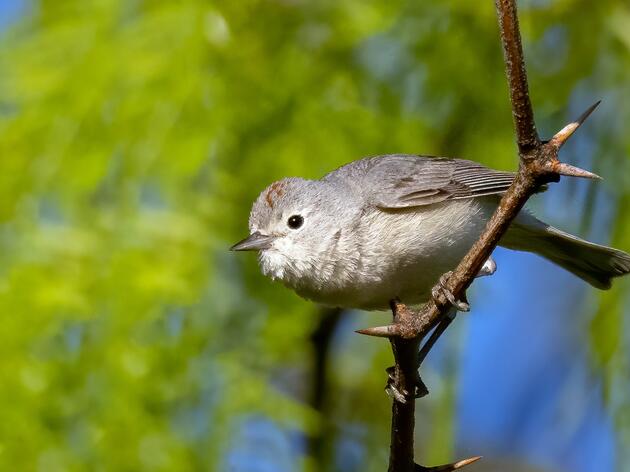
Two other Arizona sites have already received global designation; Marble Canyon for California condor and the lower San Pedro River for Bell’s vireo.
The recognition of these two Arizona sites brings the total number of global IBAs in the U.S. to 378.
|